Break Out of Pentatonic Scale Patterns in 10min
Break Out of Pentatonic Scale Patterns in 10 Minutes
If you’re feeling stuck in the same old pentatonic scale boxes, you’re not alone. Many guitarists reach a point where the patterns they’ve relied on start to feel limiting. But what if you could break free and unlock a whole new level of creative playing? In this post, we’ll explore a fresh approach to the pentatonic scale that will help you see the fretboard in a completely new way.
Understand the Notes Inside the Pentatonic Scale
The pentatonic scale is a go-to for many guitarists because it’s easy to memorize. However, most players get stuck thinking in terms of "boxes" rather than the actual notes and intervals within those patterns. Instead of relying solely on the positions, try focusing on the specific notes that make up the scale.
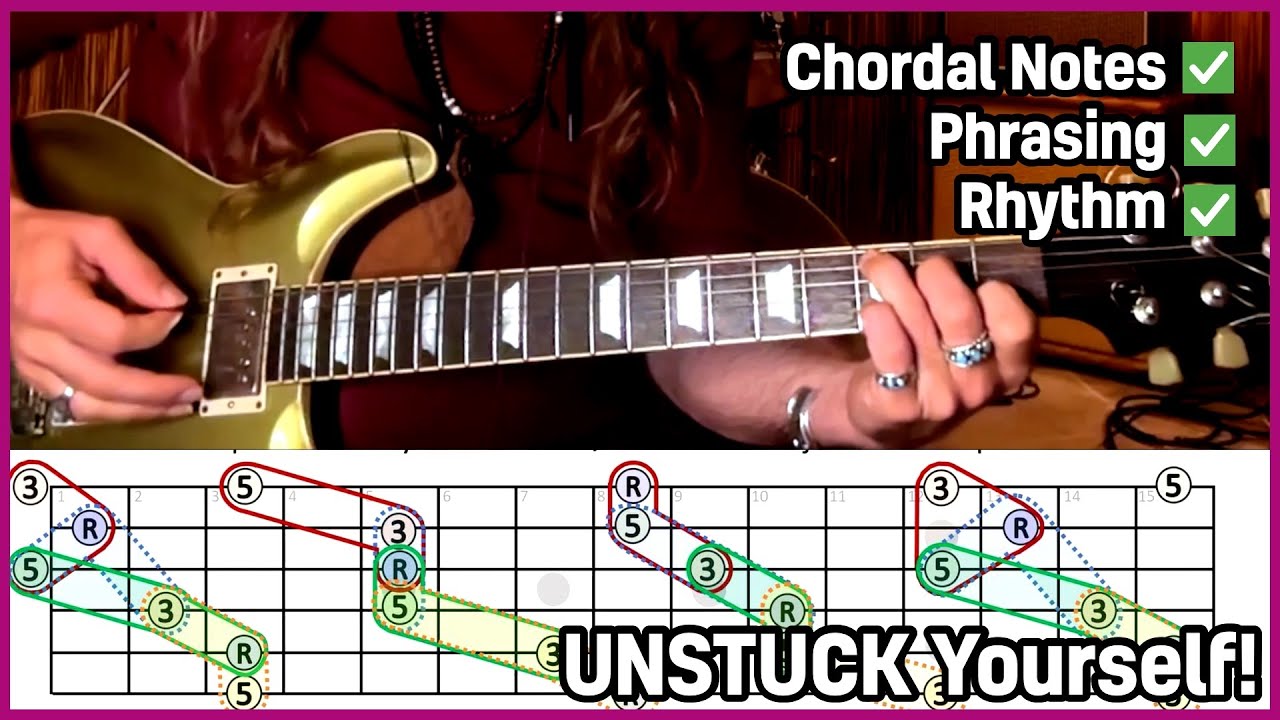
For example, let’s use the A minor pentatonic scale, which contains the notes A, C, D, E, and G. Over a C major chord, this scale becomes the C major pentatonic, which emphasizes the C major triad: C, E, and G. The remaining notes, A and D, add a beautiful layer of ornamentation to this basic chord structure.
By thinking about the pentatonic scale as intervals and triads, rather than fixed boxes, you’ll gain the ability to create melodic and dynamic solos that break free from repetitive patterns.
Incorporate Ornamentation for More Expression
One powerful way to bring your pentatonic playing to life is by adding ornamentation to the triads. For instance, over a C major chord, you can use the D note to resolve into the E note (the major third of C). This subtle movement creates a sense of tension and resolution that adds depth to your playing.
Here’s how you can try this approach across the fretboard:
- Identify the C major triad (C, E, G) within each pentatonic position.
- Add the D and A notes as ornamentation to the triad, creating a fuller, more expressive sound.
- Practice these movements in all five pentatonic positions to familiarize yourself with the intervals and their relationships.
Suddenly, you’re no longer just running up and down the scale. Instead, you’re crafting melodies that highlight the harmonic possibilities within the pentatonic framework.
Apply This Technique in Major and Minor Contexts
One of the most exciting aspects of this approach is its versatility. Whether you’re playing over a major or minor progression, the concept remains the same: focus on the notes, intervals, and triads rather than rigid scale boxes.
For example, in a C major progression (e.g., A minor, F, C), you can use the C major pentatonic as your base. Ornament the triads with the extra notes, and you’ll find yourself creating melodic phrases that feel fresh and dynamic. The same approach works in an A minor blues context, where you can combine the pentatonic framework with double-stops and other expressive techniques for a bluesy, soulful vibe.
By mastering this concept, you’ll not only break out of the pentatonic rut, but you’ll also develop the ability to navigate both major and minor contexts with confidence and creativity.
Ready to finally break through your plateau? Apply for a free strategy session and let's map out your path to guitar freedom.