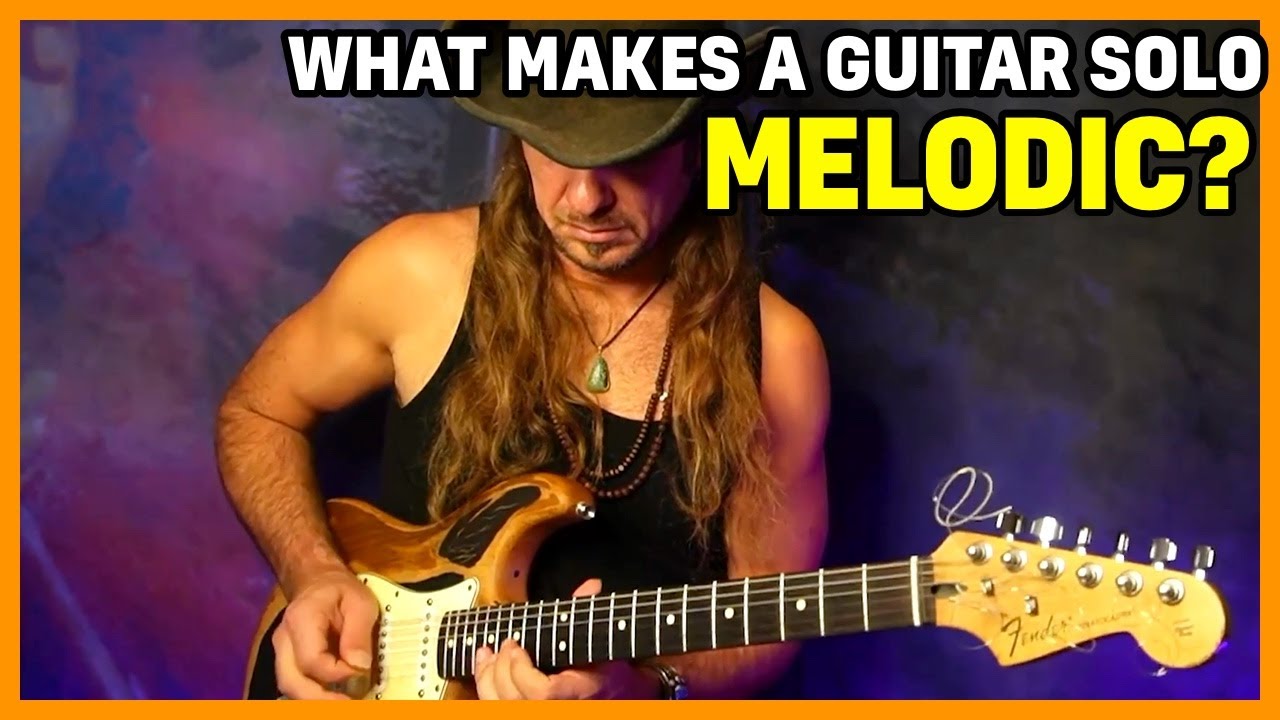
From Mechanical to Melodic Soloing in under 20min
From Mechanical to Melodic Soloing in Under 20 Minutes
Have you ever felt stuck in your guitar playing, trapped in the same repetitive scale shapes and mechanical patterns? You're not alone. Many guitarists struggle to break free from this rut, yearning to play with more emotion, creativity, and melodic freedom. In this post, we'll explore a powerful technique to transform your soloing from mechanical to melodic in less than 20 minutes. Ready to dive in?
Why the Thirds Are the Secret to Melodic Soloing
One of the most effective ways to unlock the melodic potential of any chord progression is by focusing on the thirds of the chords. Why the third? Because it’s the interval that carries the emotional weight of the chord. The minor third creates that melancholy, sad sound, while the major third gives you that happy, vibrant energy. Think about it: the iconic "Happy Birthday" melody is built on major thirds, while Beethoven’s hauntingly beautiful pieces often rely on minor thirds.
Here's a simple exercise to get started: play only the third of each chord in your progression. For example, in a B minor progression, identify the thirds and play them as the chords change. This will help you hear the melodic movement and gain a deeper connection to the harmony underneath. As you do this, you'll start to feel the “melodic gravity” – how the chords naturally pull the melody forward.
Once you’re comfortable with this, start connecting these thirds using smooth, melodic transitions. This simple shift will make your solos sound more intentional and expressive, even without any flashy techniques.
Melodic Embellishments: Beyond the Basics
Hitting the third on the downbeat is a great starting point, but to make your solos more dynamic, experiment with rhythmic variations. Try delaying the third, anticipating it, or approaching it with passing notes or slides. These subtleties can add a layer of sophistication to your playing.
Another key concept to explore is embellishment. Instead of hitting the chord tone directly, approach it with grace notes, hammer-ons, or melodic phrases. For instance, when targeting the D note over a B minor chord, you could play a quick phrase like F# - E - D to resolve beautifully into the target note. This creates movement and adds a lyrical quality to your soloing.
Remember, the goal isn’t to rigidly stick to the thirds but to use them as a foundation. They act as melodic guideposts, allowing you to navigate the harmony with confidence while leaving room for creativity and personal expression.
Voice Leading: The Key to Organic Melodies
Voice leading is the art of smoothly connecting melodic lines, and it’s a game-changer for guitarists. Instead of jumping randomly across the fretboard, voice leading encourages you to think about how one note flows into the next. By focusing on small, stepwise movements, you can create melodies that feel natural and singable.
Here’s a practical exercise: choose a simple chord progression and identify the thirds of each chord. Play these thirds in different octaves and experiment with connecting them in a way that feels melodic. As you do this, listen closely to the harmonic pull of the progression. You’ll start to hear new melodic ideas emerge, even before you play them.
Over time, this approach will help you move beyond mechanical patterns and into the realm of true musicality. Your solos will start to sound less like scale exercises and more like the expressive, melodic phrases you’ve always wanted to play.
Pro tip: Use a drone note or backing track in the key of your progression to practice resolving to the thirds. This will help you internalize the sound and build your phrasing skills.
Ready to Unlock Your Melodic Potential?
Transforming your soloing from mechanical to melodic doesn’t require years of advanced theory or endless scale practice. By focusing on the thirds, experimenting with rhythmic placement, and embracing voice leading, you can unlock a world of melodic possibilities – even in just 20 minutes.
But this is just the beginning. If you’re ready to take your guitar playing to the next level, why not get personalized guidance? Apply for a free strategy session and let’s map out your path to guitar freedom. Together, we’ll break through your plateaus and help you become the melodic, expressive guitarist you’ve always wanted to be.