How Blues Rock Changed Electric Guitar Forever
How Blues Rock Changed Electric Guitar Forever
The electric guitar has come a long way, evolving from its humble beginnings as a field instrument to becoming the electrified, stadium-shaking powerhouse we know today. The transformation of blues rock into a genre that inspired generations of guitarists is one of the key reasons for this incredible journey. In this post, we’ll trace the lineage of blues rock, explore why its history still matters, and share actionable tips for adult guitarists looking to take their playing to the next level.
Why Blues Roots Matter for Modern Guitarists
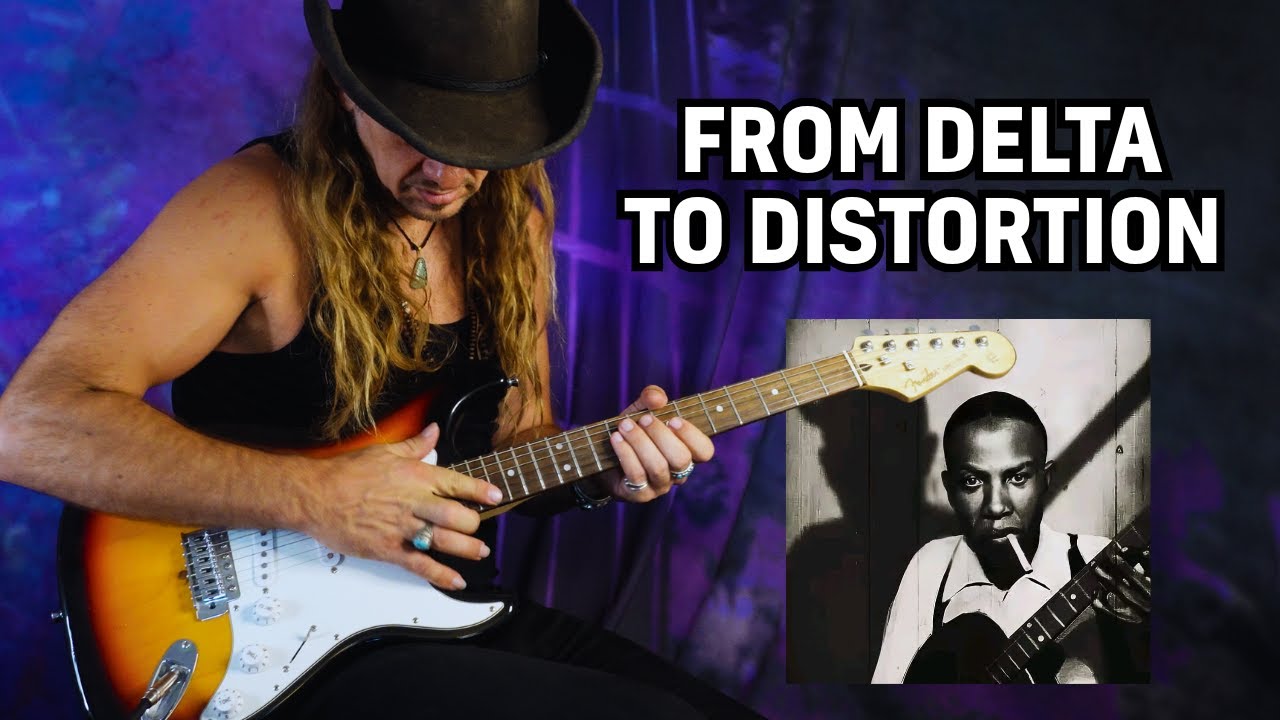
Blues rock wouldn’t exist without its roots in the Delta blues. Legends like Robert Johnson, known for his haunting songs and mythical deal with the devil at the crossroads, laid the groundwork for the guitar’s rise to prominence. While Johnson’s story may be shrouded in mystery, his influence on generations of guitarists, from Eric Clapton to Stevie Ray Vaughan, is undeniable.
For adult guitarists, studying these foundational players offers a treasure trove of inspiration. For example, Clapton’s live rendition of “Crossroads” with Cream is a masterclass in combining blues, rock, and improvisational jazz elements. If you haven’t heard it yet, take some time today to listen and analyze the subtle phrasing, tone, and dynamics he brings to the table. Understanding these nuances will not only deepen your appreciation for blues rock but also enhance your own playing style.
Actionable Tip: Start with Blues-Based Improvisation
If you’re looking to improve your improvisation skills, blues rock offers the perfect framework. Begin by practicing simple blues progressions in common keys like E or A. Focus on the pentatonic scale, which is the cornerstone of blues soloing. Once you’re comfortable, start experimenting with adding bends, slides, and vibrato to give your solos more emotional depth.
Take a page from Jimi Hendrix’s book. Hendrix, who rose to prominence during the British blues rock explosion of the 1960s, was known for his ability to blend raw, bluesy phrasing with innovative techniques like string muting and wah-wah pedal use. Incorporating even a few of these techniques into your practice can make a huge difference in your tone and expression.
Volume, Power, and the Birth of the Modern Guitar Hero
The late 1960s marked a pivotal moment in guitar history. Players like Hendrix and Pete Townshend of The Who brought the guitar front and center, electrifying audiences with their groundbreaking use of Marshall amplifiers and high-volume performances. This era also saw the rise of power trios, where guitarists had to fill more sonic space, forcing them to refine their chops and stage presence.
Adult guitarists can learn a lot from this era’s focus on dynamics and energy. For instance, experiment with your amp settings to find tones that cut through the mix, whether you’re jamming with a band or playing solo. Pay attention to how great players like Clapton and Hendrix used dynamics—alternating between soft, soulful passages and full-throttle power—to tell a story with their solos. Practice this in your own playing to keep your audience engaged.
Another tip? Don’t shy away from volume. While you don’t need to blow out your eardrums, playing at a higher volume can help you understand how your guitar interacts with your amp and pedals. It’s an essential step toward developing your unique voice as a guitarist.
Take the Next Step in Your Guitar Journey
Blues rock is more than just a genre—it’s a living, breathing tradition that continues to shape the guitar world today. By studying its pioneers and integrating their techniques into your practice, you’ll not only deepen your skills but also connect with one of the richest legacies in music history.
Ready to finally break through your plateau? Apply for a free strategy session and let's map out your path to guitar freedom.