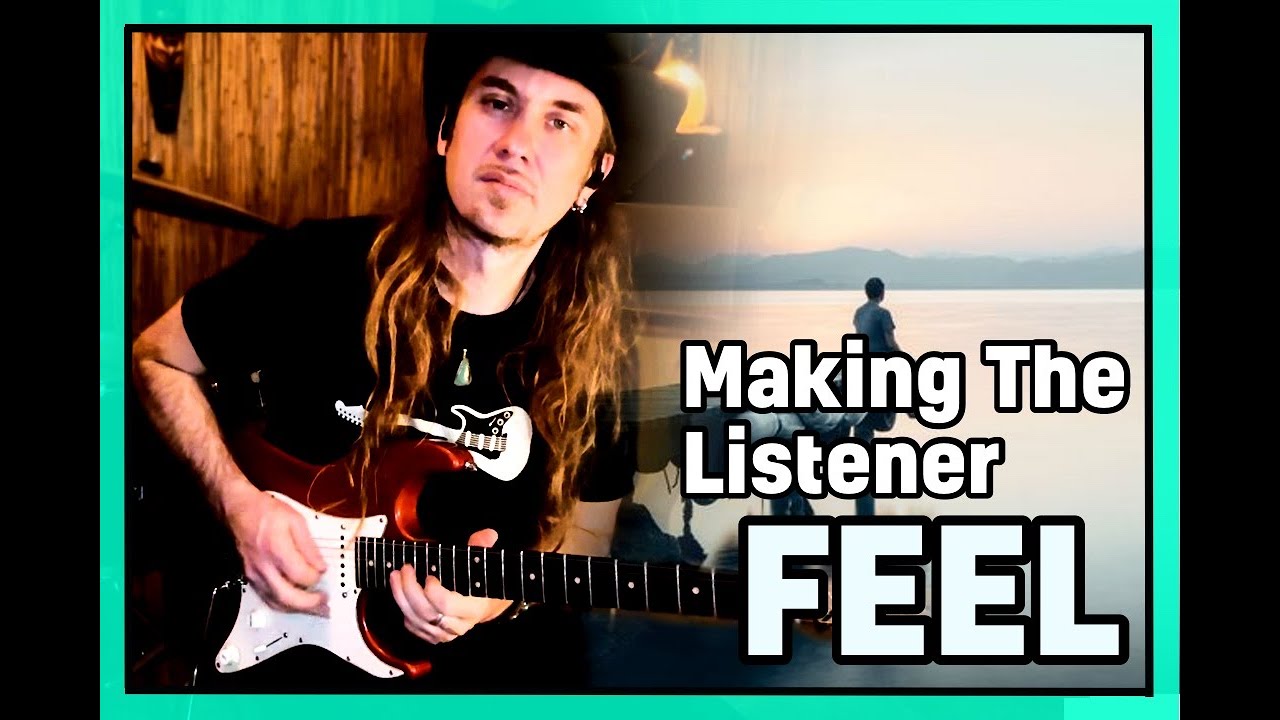
How to improvise with more melodic feel (Guitar Tutorial)
How to Improvise with More Melodic Feel on Guitar
Improvising on the guitar is one of the most expressive ways to connect with your audience. As Ulrich Ellison mentions in this video tutorial, the key to truly memorable guitar solos lies in their melodic feel. While technical skill can impress, it's the soul and emotion in your playing that leaves a lasting impact. In this post, we’ll explore actionable steps to help you create more melodic, expressive solos—perfect for intermediate and advanced guitarists looking to step up their improvisation game.
Step 1: Master Your Basic Phrasing and Vocabulary
Before diving into complex techniques, it's crucial to refine your basic phrases. Ulrich emphasizes the importance of working with a drone in the key you’re improvising in—like a G drone for G minor. This practice allows you to explore the emotional potential of each note in your scale.
Start with the pentatonic scale, which is already familiar to most guitarists. From there, experiment with adding intervals like the ninth (A) and the flat sixth (Eb). These subtle additions can transform your playing, making it more melodic and expressive. Here’s a quick exercise:
- Play a G minor pentatonic scale over a G drone.
- Add the ninth interval (A) to your phrases and listen to how it changes the mood.
- Incorporate the flat sixth (Eb) to introduce a longing, emotional quality.
Spend time developing your phrasing and experimenting with these intervals. Remember, this isn’t about speed—it’s about creating phrases that sing.
Step 2: Structure Your Phrases Like a Story
Improvisation shouldn’t feel random. To create a more melodic feel, structure your phrases as if you’re telling a story. Ulrich suggests focusing on rhythmical motifs that connect one phrase to the next, building a sense of continuity and purpose in your solos.
For example, try repeating a rhythmical idea while altering the notes. This technique mirrors the way vocal melodies work, making your improvisation feel more like a composition. Here’s a simple exercise to try:
- Choose a short rhythmical pattern, such as a dotted quarter note followed by two eighth notes.
- Play this rhythm on different notes within the G minor scale.
- Experiment with slight variations, like adding slides or bending into the notes.
By staying consistent with your rhythm, your solos will feel more cohesive and relatable to your listeners. This approach also helps you avoid the common trap of sounding repetitive or aimless.
Step 3: Add “Spices” to Your Playing
Once you have a solid foundation with your phrasing and story-like structure, it’s time to add some color to your improvisation. Ulrich refers to these as “spices”—specific notes and intervals that evoke unique emotions over different chords.
For example, in a G minor progression, the flat sixth (Eb) adds a haunting and emotional quality. Over a D7 chord, introducing the F# (the third of D7) creates a sense of resolution and classical flavor. Similarly, over a C major chord, you can switch between E and Eb to create tension and release.
Here’s a practical tip: Listen carefully to the backing track and identify spots where you can emphasize these “spice” notes. By highlighting these intervals, you can outline the chord changes more clearly, making your solos sound polished and intentional.
Here’s an exercise to practice this concept:
- Play over a G minor backing track.
- Focus on landing on the flat sixth (Eb) during G minor sections.
- Over the D7 chord, emphasize the F# to outline the harmony.
- Over the C major chord, alternate between E and Eb to create tension and resolution.
These small details are what separate good improvisers from great ones—so don’t overlook the power of these spices!
With these three steps—mastering your phrasing, structuring your solos like a story, and adding spices—you’ll be well on your way to creating melodic, memorable improvisations. Remember to practice these concepts regularly and apply them to different keys and progressions to build confidence and versatility in your playing.
Ready to finally break through your plateau? Apply for a free strategy session and let's map out your path to guitar freedom.