Is The New IG Generation Willing To DO Anything? - Giacomo Turra
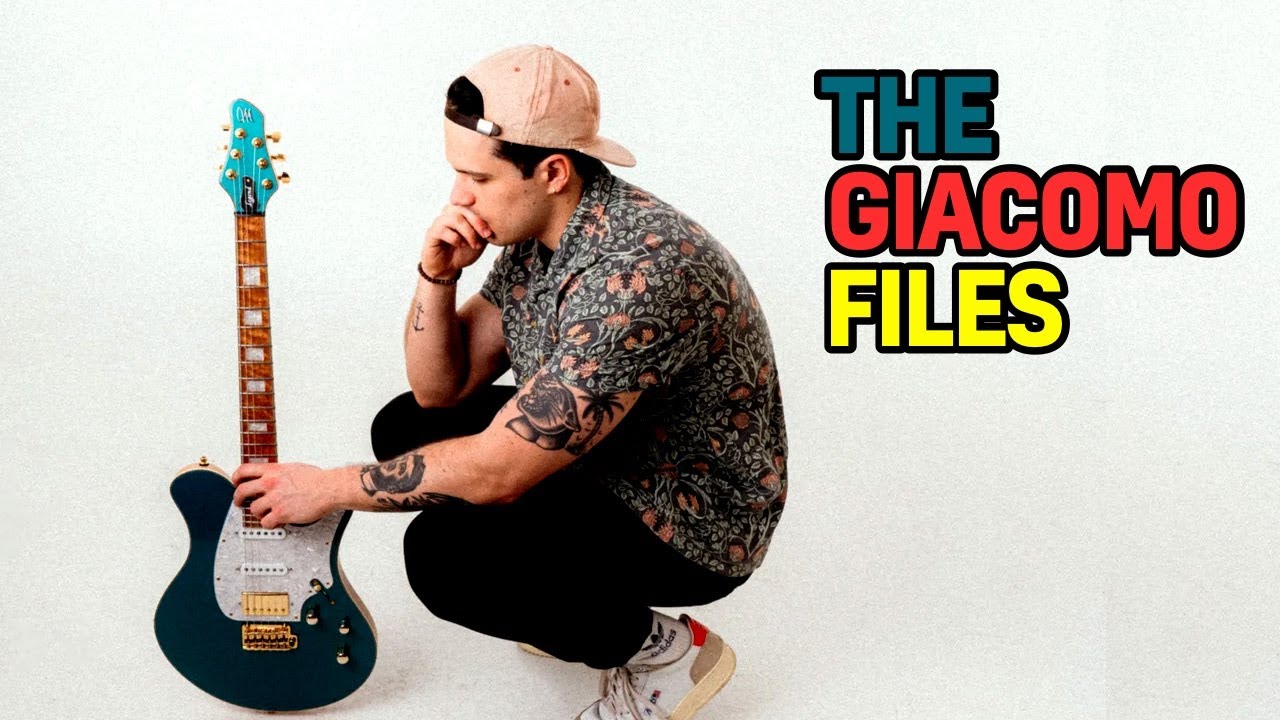
Is The New Instagram Generation Willing To Do Anything? The Giacomo Turra Controversy Explained
In the world of online guitar content, authenticity matters. It's the foundation of trust between creators and their audiences, and it's what separates genuine musicianship from manufactured hype. Recently, a controversy surrounding popular YouTuber Giacomo Turra has sparked an important conversation about integrity in the guitar community—one that deserves serious attention from anyone serious about their musical growth.
Ulrich Ellison, founder of Total Guitar Transformation Academy, recently addressed this controversy in a thoughtful video that goes beyond surface-level criticism. Rather than focusing solely on plagiarism allegations, Ellison highlights a deeper issue: the systematic deception of production techniques used to create an illusion of superhuman playing ability.
The Real Problem: Stolen Arrangements and Uncredited Work
Let's address the elephant in the room first. Giacomo Turra, an Italian YouTuber known for his tight funk fusion style, has been caught releasing arrangements from other creators as his own original compositions. This isn't a gray area or a simple oversight—it's a systematic pattern of plagiarism.
What makes this particularly troubling is how the guitar community operates. Independent musicians already face enormous challenges: streaming services pay pennies per play, gear costs money, and building an audience requires constant dedication. There's an unwritten code among musicians—a brotherhood of mutual respect and support. When someone violates that code by stealing arrangements without proper credit, they're not just stealing intellectual property; they're breaking trust within an entire community.
In some documented cases, credits were only added after the plagiarism was publicly called out. That's not an honest mistake. That's damage control after being caught. For aspiring guitarists watching these videos, this creates a false impression of what original creativity looks like and how successful musicians actually operate.
The Deeper Deception: Production Techniques Masquerading as Skill
But here's where the controversy gets truly interesting—and more important for guitarists to understand. The real issue isn't just that Turra copied other people's work. It's that he then lied about his actual playing ability using sophisticated production tricks.
If you've watched Turra's videos, you've likely noticed his playing sounds impossibly perfect. Every note is locked in, velocities are perfectly compressed, and the overall execution seems flawless—almost machine-like. There's a reason for that: he's not actually playing at full speed in real-time like he presents.
Here's the technique: Turra records his guitar parts over a backing track at half speed (often around 65 BPM). By playing at this slower tempo, he can nail every note with perfect precision. The notes naturally sound longer and more even because he's actually playing them slower. Then, using the Warp function in Ableton Live (professional music production software), he simply speeds the recording back to the original tempo (130 BPM). The result? A performance that sounds superhuman because it technically wasn't played at that speed in the first place.
This is fundamentally different from how real improvisers and session musicians work. When you watch players like Matt Sheffield, Andy Timmons, David Grier, or Josh Smith perform, they're actually executing those lines in real-time at full speed. That's the difference between genuine musicianship and clever editing.
What This Means For Your Guitar Journey
So why should you care about this as a guitarist? Because it directly impacts how you approach your own development.
If you're comparing your playing to content creators online, you need to know whether that content represents real-time performance or post-production manipulation. When you see someone playing intricate fusion lines at blazing speeds, ask yourself: Is this actually how they play, or is this a product of slowing down, recording, and then speeding up the final product?
The most valuable guitar content comes from creators who are transparent about their process and honest about their abilities. Real growth as a musician comes from understanding that mastery is built through deliberate practice, not shortcuts. When you slow down material to learn it—that's legitimate practice. When you present a slowed-down, sped-up recording as real-time performance—that's deception.
This controversy also reinforces why proper credit and acknowledgment matter in music. Every guitarist stands on the shoulders of those who came before. The jazz tradition is built on learning from masters, absorbing their approaches, and then adding your own voice. That's different from copying arrangements and presenting them as original compositions.
At Total Guitar Transformation Academy, we believe in building guitarists who understand both the technical and ethical dimensions of musicianship. You'll learn to develop genuine improvisational skills, create authentic arrangements, and build a career on integrity rather than illusion.
Ready to develop the kind of authentic guitar mastery that doesn't rely on tricks or shortcuts? Apply for a free strategy session and discover how to break through the noise in guitar content and build real, lasting skills that actually transfer to your playing.