Simple CAGED Guitar Tips To 10x Your Progress
Simple CAGED Guitar Tips to 10x Your Progress
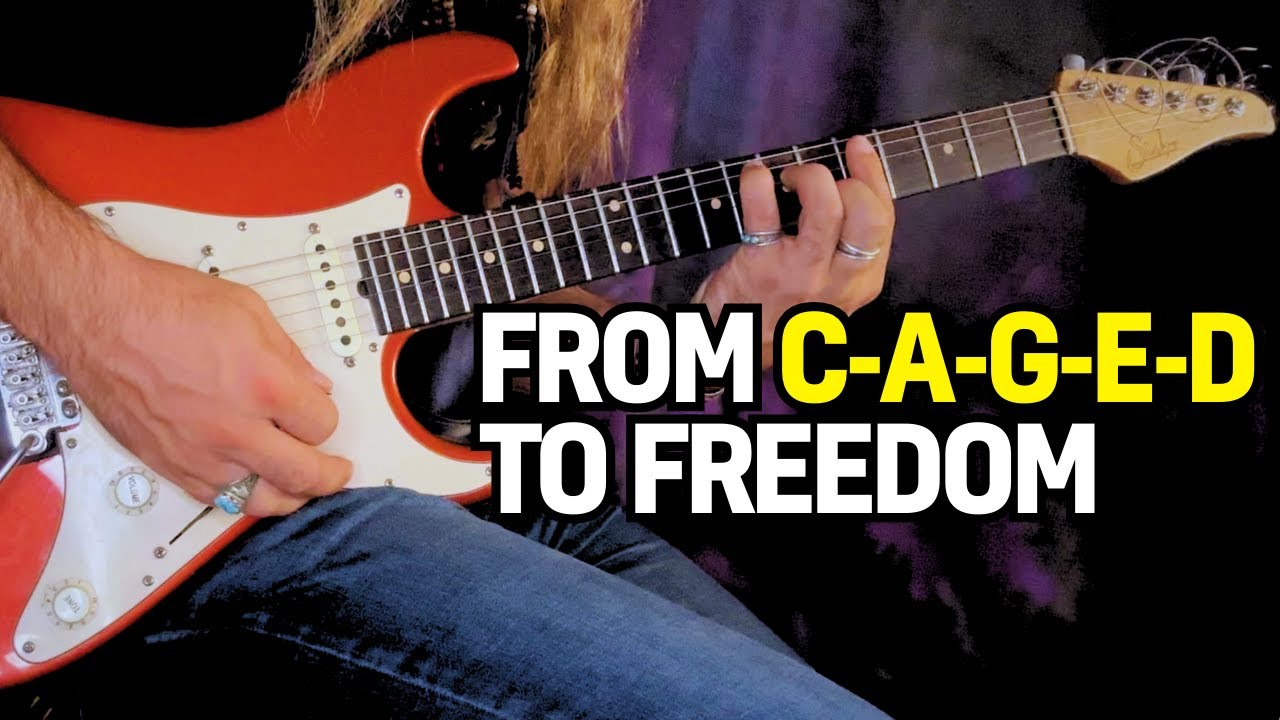
The CAGED system is a fundamental tool for guitarists, but are you truly getting the most out of it? If you're tired of feeling stuck in scale boxes or playing mechanical solos that lack melody, it's time to take your understanding of the fretboard to the next level. In this post, I'll share practical tips to elevate your CAGED knowledge into a more intuitive, musical approach. Let's dive in!
What Is the CAGED System (and Why It’s Useful)?
If you’re not entirely familiar with the CAGED system, here’s a quick recap: it’s based on five open chord shapes (C, A, G, E, and D) that can be moved up and down the fretboard. The idea is to recognize how these shapes connect across the entire neck, allowing you to play chords and scales in any position.
While the CAGED system is great for understanding the fretboard, many guitarists fall into the trap of playing it like a technical exercise. Moving from one shape to the next can feel robotic, and solos often lack the musicality that makes them truly shine. Let’s explore how to break out of these limitations.
Learn the Notes and Intervals in the CAGED Shapes
One of the biggest breakthroughs you can make is understanding the individual notes within each CAGED shape. For example, a C major triad consists of only three notes: C (root), E (major third), and G (perfect fifth). Instead of thinking of the shape as a bulky collection of frets, focus on these specific notes.
Once you identify the notes and their intervals, you can start practicing inversions. For instance, rotate the notes of a C major chord in different orders—C-E-G, E-G-C, and G-C-E. This exercise will help you:
- Understand the fretboard better.
- Break free from rigid shapes.
- Play more melodically by targeting specific notes.
Here’s a simple exercise: play these inversions on different string sets across the neck. By doing this, you’ll not only master the CAGED shapes but also gain a deeper connection to the music you’re playing.
Go Beyond CAGED with the Hendrix Chordal Style
So, how do we move from technical exercises to expressive playing? Enter the Hendrix chordal style, a melodic approach that builds on CAGED but adds fluidity and musicality. This technique involves using chord fragments, double stops, and embellishments to create solos that sing.
Let’s say you’re working with a progression like C major, B♭ major, and F major. Instead of sticking strictly to the CAGED shapes, try weaving through the chords with small fragments of each triad. Focus on connecting the root, third, and fifth of each chord melodically. You’ll quickly notice how much more dynamic and expressive your playing becomes.
Here’s the key: listen to the notes in your head and let your fingers follow. By combining your knowledge of the fretboard with a melodic mindset, you’ll unlock the ability to play solos that feel organic and inspired.
From Campfire Chords to Guitar Freedom
The CAGED system is a fantastic starting point for learning the fretboard, but it’s just that—a starting point. To truly unlock your potential, focus on the notes, intervals, and musical possibilities within those shapes. By practicing inversions and exploring techniques like the Hendrix chordal style, you can transform your playing into something that feels effortless and expressive.
Ready to finally break through your plateau? Apply for a free strategy session and let's map out your path to guitar freedom.