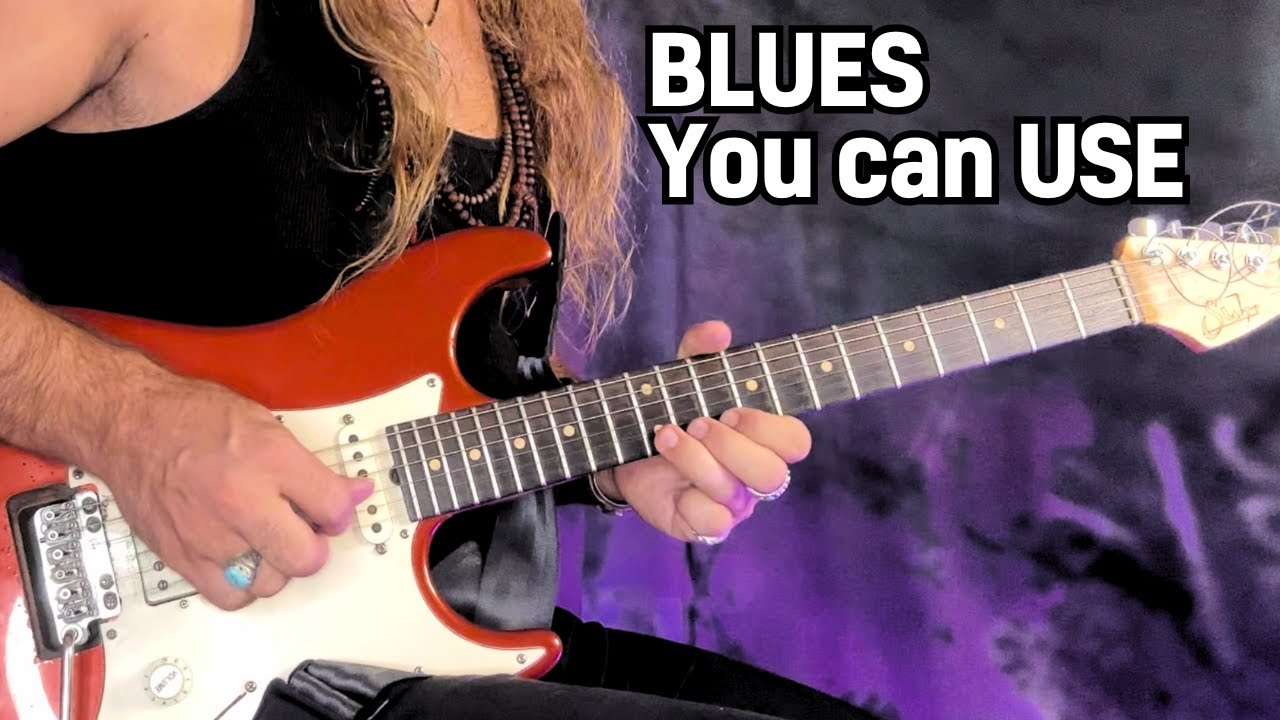
Skyrocket your BLUES Playing in under 15 min (4 ELEMENTS)
Skyrocket Your Blues Playing in Under 15 Minutes: 4 Essential Elements
Blues guitar can seem like an intimidating mountain to climb, especially if you’re an adult guitarist balancing a busy life. But what if you could make huge strides in under 15 minutes? In this lesson, we’ll break down the 4 key elements that will transform your blues playing. These tips are practical, easy to apply, and designed to help you sound more sophisticated and confident as a guitarist.
1. Master the BB Box for Melodic Phrasing
One of the most important tools in your blues arsenal is what I like to call the “BB Box.” Named after legendary guitarist BB King, this fretboard position is key to unlocking melodic phrasing. Think of it as your go-to spot for creating expressive, emotional solos. Here’s how to find it:
- Locate the root note on the B string (for example, an A if you’re in the key of A).
- Use this position as your anchor, bending up to the major third for those signature bluesy tones.
Within this box, you can experiment with a variety of licks. For example, try bending the root note to the major third, then resolving to the minor third. These subtle shifts create the signature mix of major and minor tonalities that define blues music. Practice this until it feels natural, and don’t be afraid to repeat or vary your phrases to add personality to your solos.
2. Enhance Your Rhythm with Sophisticated Chord Voicings
Great blues guitarists aren’t just soloists—they know how to lock into the groove with rich, interesting chords. One of my favorite voicings is the A13 chord. It’s a lush, jazzy sound that immediately elevates your rhythm playing. To play it:
- Slide into the chord from a half-step below for added flair.
- Use your thumb to grab the bass note—it might feel tricky at first, but it’s worth the effort!
Another essential voicing is the D9 chord, often called the “James Brown voicing” because of its funky character. Add this to your toolkit, and you’ll be ready to tackle the 12-bar blues progression with style. Here’s a simple exercise: practice transitioning between the A13, D9, and E7 chords (the I, IV, and V chords in the key of A). Sliding into each chord creates a smooth, professional sound that will impress any listener.
3. Nail the Turnaround for a Polished Ending
The turnaround is the final piece of the puzzle. It’s the moment in the blues progression where everything comes together, and it’s your chance to shine. A classic turnaround involves a walking bass figure that leads seamlessly back to the top of the progression.
Here’s a simple example to try:
- Place your fingers on the fifth fret of the D string and high E string.
- Use hybrid picking to pluck both notes together.
- Slide down a half-step, then resolve into the E7 chord.
This turnaround not only sounds great but also gives you a moment to reset and plan your next move. Practice it until it feels second nature—you should be able to play it in your sleep!
Bonus Tip: Blend Major and Minor Thirds with Intention
One of the most fascinating aspects of blues is its blend of major and minor tonalities. But here’s the thing: it’s not random. There are specific moments in the progression where you lean into the major third (usually over the I chord) and others where you emphasize the minor third (often over the IV chord).
For example, over the A major chord, you might bend to the major third for a sweeter sound. Then, when the progression moves to the D7 chord, switch to a minor third for a grittier, more emotional feel. Understanding these shifts will make your solos more purposeful and dynamic.
Remember, you can always stick to a minor blues scale throughout the entire progression if you prefer. However, experimenting with these major and minor nuances will add a layer of sophistication to your playing that sets you apart from the crowd.
By focusing on these 4 elements—the BB Box, sophisticated chord voicings, the turnaround, and intentional phrasing—you’ll have everything you need to skyrocket your blues playing. Take it one step at a time, and don’t be afraid to revisit these concepts as you grow.
Ready to finally break through your plateau? Apply for a free strategy session and let's map out your path to guitar freedom.