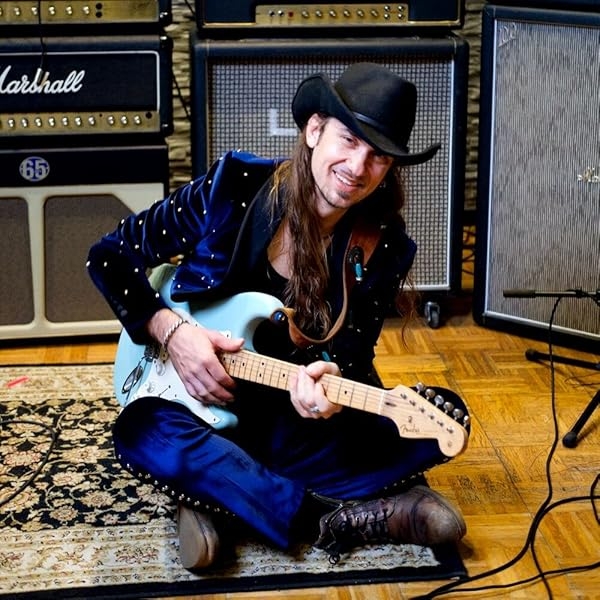
Soulful 6ths For Your Melodic Guitar Solos
Soulful 6ths For Your Melodic Guitar Solos: Master This Essential Lead Guitar Technique
If you've ever listened to classic soul music and wondered what makes those guitar lines sound so smooth and expressive, you're hearing the power of harmonized sixths in action. In this comprehensive guide, we'll explore how to incorporate soulful sixths into your melodic guitar solos—a technique that goes far beyond vintage soul recordings and into any modern musical style you want to master.
Ulrich Ellison from Total Guitar Transformation Academy discovered this transformative approach while touring with soul singer Nakia across the country. During those road adventures, Nakia constantly asked for "that Steve Cropper thing"—referring to the sweet, soulful vibe of playing harmonized intervals that defined classic soul music. What started as learning a specific stylistic reference evolved into a complete methodology for improving melodic soloing across all genres.
Rather than relying exclusively on traditional triads, which are certainly useful, playing two notes from a triad by skipping one creates a more efficient and often more musical approach to melodic guitar. This technique forms one layer of what Ellison calls the "Layered Lead Guitar Approach"—a comprehensive system for developing sophisticated, expressive solos.
Building Sixths Over Major and Minor Grooves
When you start working with sixths, begin in a single key to build familiarity with the shapes. Starting in G major or a Mixolydian tonality gives you an accessible entry point. Play a simple drone and practice moving through first position shapes—a G major shape, a C major shape, and an F major shape—listening carefully to how the intervals sit against the harmonic foundation.
The real magic happens when you combine these sixths with pentatonic scale ideas. By mixing harmonized sixths with major pentatonic licks and landing on your root note, you create solos that sound both sophisticated and singable. The technique works beautifully over soul-oriented backing tracks, but don't limit yourself there. Try the same approach over Dorian minor grooves, and you'll discover that sixths bring warmth and character to darker harmonic environments as well.
One critical detail: visualize the top note as your primary melody note while treating the lower note as harmonization. This mental framework helps you maintain musical intention rather than treating the technique as a mechanical pattern. As you develop comfort with this approach, work toward learning it in all twelve keys—this is fundamental to truly liberating your fretboard vision and expressive possibilities.
Hybrid Picking: The Secret to Smooth Execution
Here's where many guitarists stumble: playing sixths requires constantly skipping strings, which creates technical challenges with traditional pick-only approaches. The solution is hybrid picking—using your pick for some notes and your middle finger for others.
When executing sixths, use your pick for the lower note and your middle finger to pick the higher note. This approach creates significantly smoother phrasing, easier rhythmic control, and more natural syncopation. Practice slowly at first, focusing on clean tone and consistent articulation between pick and finger. Once you develop this coordination, you'll find it much easier to craft expressive, varied rhythmic accents within your solos.
The hybrid picking technique also reduces the tension in your picking hand, allowing for longer practice sessions with less fatigue. This efficiency means you can spend more focused time actually developing your musical ideas rather than fighting technical limitations.
Expanding into Thirds and Layered Approaches
Once you've spent adequate time—ideally two to three weeks—absorbing sixths into your playing, you can expand into harmonized thirds. Start with familiar bluesy licks in a key like D, then harmonize them using the Dorian scale. For a less predictable sound, land on pentatonic root notes rather than playing every scale degree in thirds.
Remember that the Layered Lead Guitar Approach involves seven distinct layers total. This sixths technique represents just one layer. Rather than overwhelming yourself by combining everything at once, isolate each layer, internalize it thoroughly, and gradually integrate new concepts. Break up patterns deliberately to avoid sounding mechanical or clichéd. Your unique musical voice emerges when you can manipulate these tools with intention and variation.
The most important principle: spend quality time with one concept before moving forward. This focused practice transforms techniques from interesting ideas into genuine musical vocabulary you can access intuitively during live performance or recording sessions.
Ready to finally break through your plateau and develop a complete melodic vocabulary? Apply for a free strategy session and let's map out your path to guitar freedom. Discover how the Layered Lead Guitar Approach can transform your solos from competent to captivating.