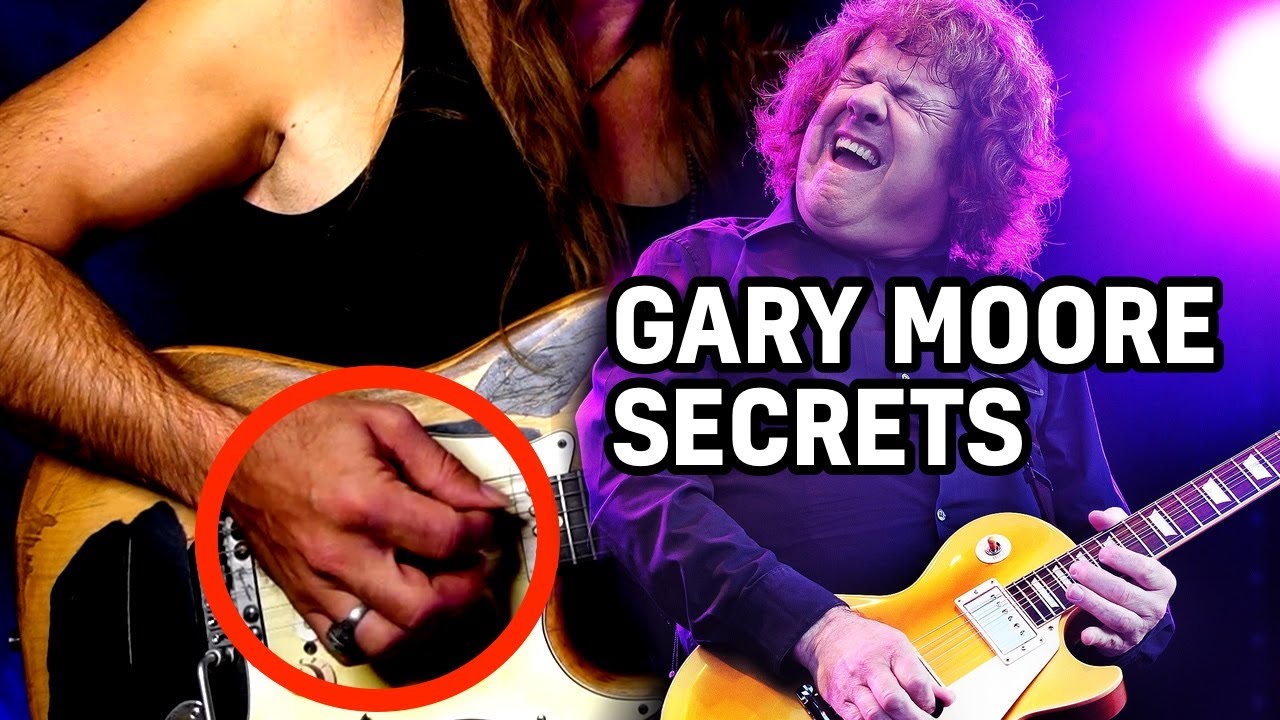
Still Got The Blues - How This Guitar Solo Will Blow Your Mind!
Still Got the Blues: How This Guitar Solo Will Blow Your Mind
Gary Moore's iconic blues ballad "Still Got the Blues" is a masterpiece that combines raw emotion with technical brilliance. As a guitarist, understanding the magic behind this solo can elevate your playing. In this blog, we’ll unpack the key elements of Gary Moore’s style, dive into the harmonic structure of the song, and explore actionable tips to help you infuse his melodic and bluesy approach into your own solos.
Understand the Harmony: The Foundation of Great Solos
To truly master "Still Got the Blues," you need to start with the basics: understanding its harmonic foundation. The song is in A minor and features a classical progression that feels almost Baroque. Here’s the progression:
- A minor 7
- G7
- C minor 7
- F major 7
- Half diminished
- E7
- Back to A minor
One of the best ways to internalize this progression is to loop it on a backing track or looper pedal. Familiarize yourself with the chords by either strumming or arpeggiating them. Once you’ve got the progression under your fingers, you can start experimenting with melodies and solos.
Gary Moore’s phrasing often outlines these chord tones musically, creating sequences that are both melodic and purposeful. For instance, in the D minor section, he highlights the triad (root, third, and fifth) and resolves his lines beautifully into the next chord. This approach helps his solos breathe and feel connected to the song's structure.
Add the Ninth: The Secret to Melodic Blues
One of the standout techniques Gary Moore uses is the incorporation of the hexatonic scale. This scale is essentially the minor pentatonic scale, but with the addition of the ninth interval. In A minor, this means adding the note B. The result? A perfect blend of blues grit and melodic sophistication.
Here’s how you can apply this:
- Find all the B notes on the fretboard within the A minor scale.
- Experiment with lines that incorporate the B note. For example:
- Play a typical A minor pentatonic lick, then slide into the B note for a melodic twist.
- Use the B note sparingly to accentuate specific phrases, making your solos sound more intentional.
Try integrating the hexatonic scale into your improvisation over the chord progression. You’ll quickly notice how it opens up new melodic possibilities, allowing you to shift between pure blues and a more classical, lyrical vibe.
Blend Blues with Neoclassical Flair
What makes Gary Moore’s style so unique is his ability to seamlessly blend blues with neoclassical elements. This comes through in his use of the harmonic minor scale, which brings an almost orchestral quality to his solos.
To experiment with this, try weaving in the harmonic minor scale over the E7 chord in the progression. The raised seventh in the scale creates tension and drama, which resolves beautifully back to A minor. It’s this dynamic, sometimes theatrical quality that makes Gary’s playing so captivating.
You can also mimic his phrasing by incorporating longer, sustained bends and vibrato. Focus on creating emotional peaks in your solos, much like a storyteller builds toward the climax of a narrative. The key here is balance: shift between bluesy aggression and melodic elegance to keep your solos engaging.
By combining these techniques, you’ll start to capture the essence of Gary Moore’s playing. Remember, it’s not just about the notes you play but how you play them.
Ready to finally break through your plateau? Apply for a free strategy session and let’s map out your path to guitar freedom.