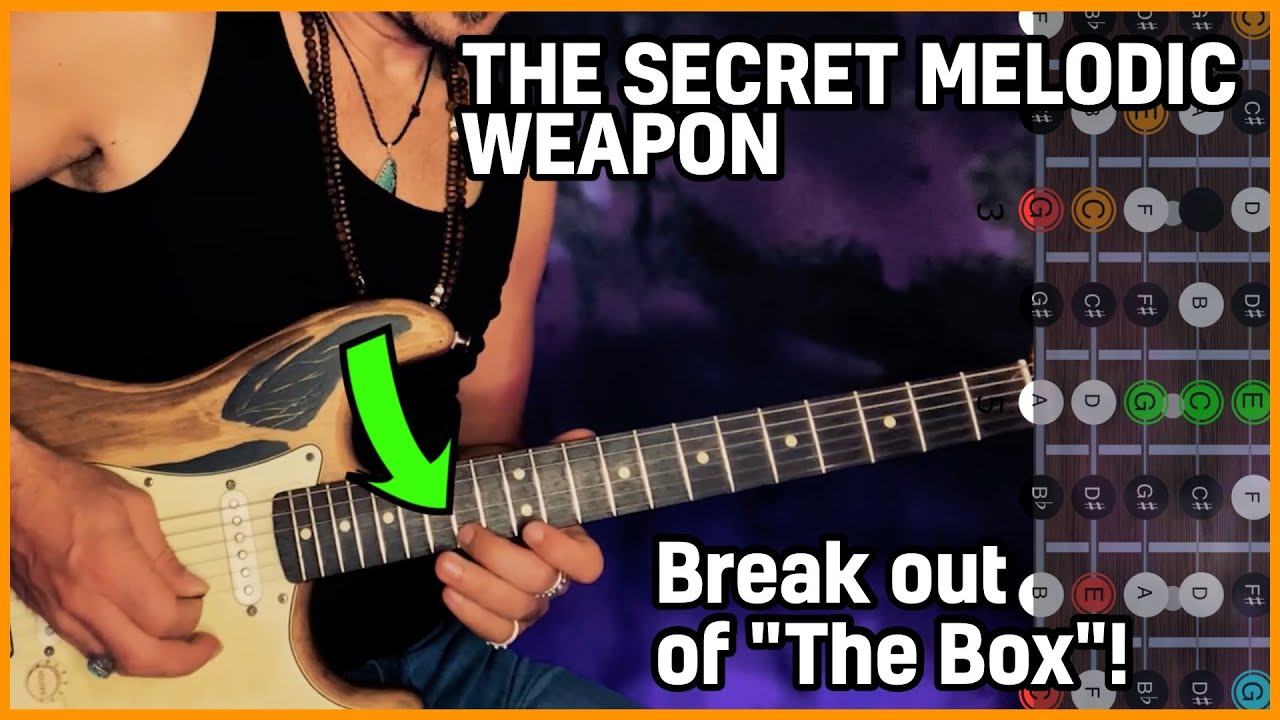
The Hexatonic Scale - What it really means for your Guitar Improvisation
The Hexatonic Scale: Transform Your Guitar Improvisation
Are you stuck in the same pentatonic boxes, playing the same licks over and over? It’s a common frustration for guitarists, but there’s an exciting way to break free and unlock new melodic possibilities. Enter the hexatonic scale—a six-note scale that can add depth, flavor, and creativity to your solos. In this post, I’ll show you how to use this powerful tool to elevate your playing and inspire fresh ideas.
What Is the Hexatonic Scale?
The hexatonic scale may sound like a fancy term, but it’s actually quite simple. The word “hexatonic” comes from Greek and means “six notes.” While it could theoretically refer to any six-note grouping, the most common hexatonic scale in guitar improvisation is the pentatonic scale with an added ninth. For example, in an E minor pentatonic scale, you’d add an F#. This one extra note can add a melodic richness to your solos, making them sound less predictable and more expressive.
Here’s what makes the hexatonic scale so special: by adding the ninth, you gain a new melodic option without over-complicating your playing. Instead of committing to a specific mode (such as Dorian or Aeolian), the hexatonic scale allows you to remain harmonically neutral, which is especially useful when navigating complex chord progressions.
3 Practical Tips for Using the Hexatonic Scale
1. Visualize and Land on the Ninth
To begin incorporating the hexatonic scale into your solos, start by visualizing the added ninth on your fretboard. Practice playing the scale both vertically (across strings) and horizontally (on one string). Once you’re comfortable with the new note, try landing on the ninth rather than the root. This subtle shift can freshen up your phrasing and provide a unique flavor to your melodies.
For example, in E minor, instead of ending your phrase on E, resolve to the F#. This approach can feel liberating, as it moves you away from the predictable resolution to the root note. Experiment with different bends, slides, and vibrato techniques to make the ninth really sing in your solos.
2. Use a B Minor Upper Structure
Another great way to leverage the hexatonic scale is to integrate a B minor triad into your phrases. Think of it as a “mini structure” within the larger E minor pentatonic framework. Triads naturally sound melodic, and weaving the B minor triad into your lines can add a lyrical, expressive quality to your solos.
For example, play a simple B minor triad (B-D-F#) and then blend it with the pentatonic scale. Try playing eighth notes or even faster subdivisions to create interesting rhythmic patterns. This technique is reminiscent of players like Eric Johnson and Joe Bonamassa, who use similar ideas to craft their signature sounds.
3. Add a D Major Triad for Melodic Contrast
Building on the previous tip, you can also incorporate a D major triad (the flat 7 in E minor) for even more melodic contrast. This creates a sense of tension and release that keeps your solos engaging. The D major triad introduces a hint of David Gilmour’s iconic style—melodic and expressive, yet never predictable.
Instead of outlining every chord in the progression with a corresponding triad, focus on the D major triad as a recurring melodic motif. This approach avoids sounding overly “mechanical” and keeps your solos dynamic and inspiring. Play with phrasing, dynamics, and timing to let the D major triad shine naturally within your improvisation.
Why the Hexatonic Scale Is a Game-Changer
By adding just one note to the pentatonic scale, the hexatonic scale opens up a world of possibilities. It encourages you to think melodically rather than mechanically, helping you create solos that are both fresh and memorable. Whether you’re experimenting with the added ninth, incorporating triads for extra flavor, or using the scale to navigate complex chord progressions, the hexatonic scale can revolutionize your guitar playing.
As you practice these ideas, remember that the goal isn’t just to learn a new scale—it’s to discover new phrases, melodies, and emotional expressions. Take your time, experiment, and most importantly, have fun with it!
Ready to finally break through your plateau? Apply for a free strategy session and let's map out your path to guitar freedom.