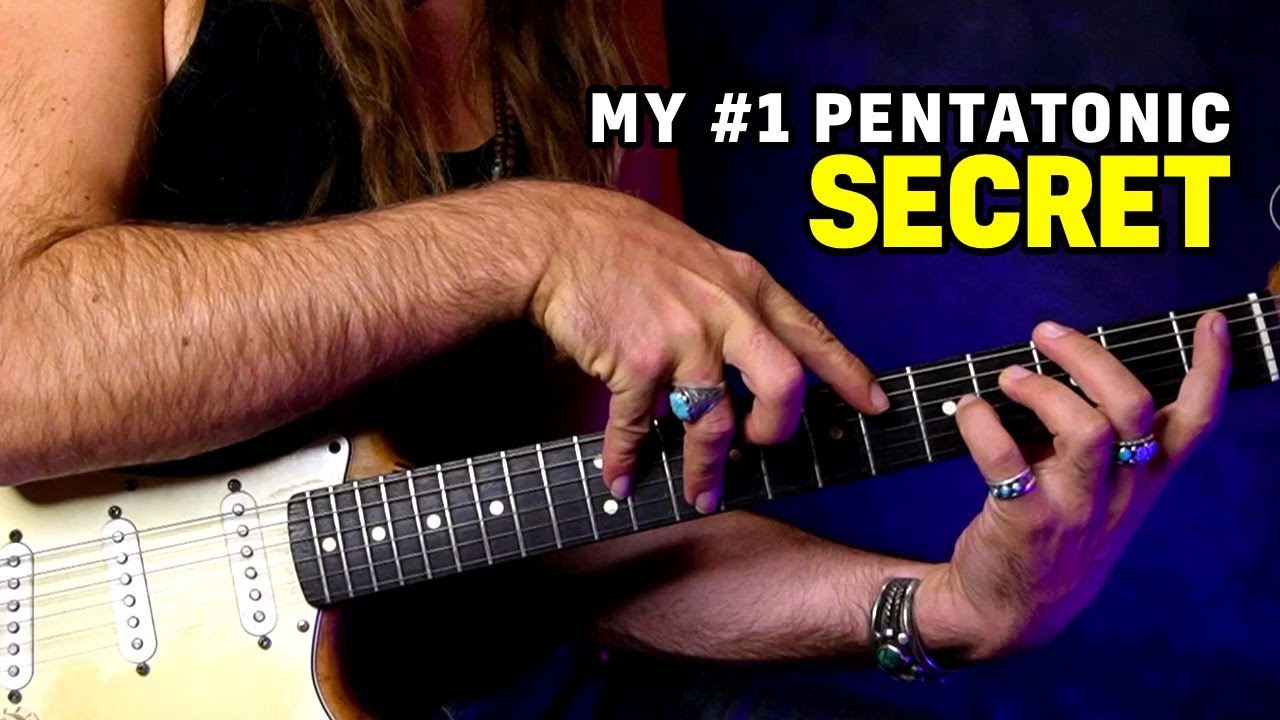
The MUST-KNOW Pentatonic Scale Pattern To Have In Your Practice
The Must-Know Pentatonic Scale Pattern to Transform Your Improvisation
Do your improvisations sound more like repetitive scale exercises than expressive, musical solos? If you’ve been running pentatonic scales up and down the fretboard without direction, you’re not alone. Many guitarists fall into this trap, thinking that mechanical practice will naturally translate into better solos. But the truth is, it’s not about how many scales you know—it’s about how you use them.
In this blog post, I’ll break down one essential pentatonic scale pattern you need in your practice routine. This sequence isn’t just a workout—it’s a game-changer for musical application and versatility. Whether you’re an intermediate or advanced guitarist, this approach will help you unlock new creative possibilities. Plus, we’ll explore how to practice it effectively and integrate it into your playing style.
Why Scale Sequences Are Like Baking a Cake
Let’s start with a metaphor: scales are like the flour in a cake. Every cake needs flour, and every guitarist needs scales. But flour alone isn’t a cake—it’s just one ingredient. Similarly, running scales up and down without context won’t make your solos musical.
Many guitarists make the mistake of focusing solely on scales, thinking that technical mastery will automatically lead to expressive improvisation. The result? Solos that sound robotic and uninspired. Instead, the key lies in using scales as a tool to create something musical—just like combining flour with other ingredients to bake a delicious cake.
So, how do we move beyond “flour” and start “baking”? By learning how to use scale sequences musically. Let me show you one sequence that stands out from the rest.
The Six-Note Pentatonic Sequence: Your New Best Friend
When it comes to the pentatonic scale, not all sequences are created equal. Some patterns, like the classic “three-notes-forward, one-note-back” approach, can sound mechanical and uninspired. Worse, they can be difficult to play at faster tempos, leading to frustration rather than progress.
Instead, I recommend the six-note sequence. This pattern is not just easier to play—it’s also incredibly versatile and musical. Here’s how it works:
- Play two notes on the first string, then move to the next string and play two more notes.
- Return to the first string and repeat the sequence, moving up the fretboard as you go.
- The result is a cascading, fluid sound that integrates beautifully into solos.
Once you get this sequence under your fingers, you’ll notice how naturally it flows. It’s perfect for creating modern, progressive vibes and can be easily combined with bluesy licks or bends to add character to your playing.
How to Practice the Six-Note Sequence Effectively
To make the most of this sequence, you need to practice it in a structured way. Here are some tips to get started:
1. Master the Sequence in All Positions
The pentatonic scale has five positions on the fretboard, and you should be able to play the six-note sequence in all of them. Practice moving both up and down the fretboard, focusing on clean transitions between positions. This will help you connect your ideas seamlessly during improvisation.
2. Experiment with Rhythmic Subdivisions
Rhythm is just as important as the notes you play. Practice the sequence using different subdivisions—eighth notes, sixteenth notes, and triplets. Use a metronome or drum groove to stay in time and develop your rhythmic versatility. For example:
- Start with eighth notes: two notes per beat.
- Move on to sixteenth notes: four notes per beat.
- Challenge yourself with triplets: three notes per beat.
The goal is to become comfortable playing the sequence at varying speeds and rhythms, so you can adapt it to different musical contexts.
3. Combine the Sequence with Licks and Phrasing
A scale sequence is just a tool—it’s how you use it that makes it musical. Practice integrating the six-note sequence with your favorite licks, bends, and phrasing ideas. For example, play the sequence over a backing track, then land on a strong bend or a melodic phrase to conclude the idea. This will help you transition seamlessly between technical runs and expressive improvisation.
Remember, the ultimate goal is not just to “play scales” but to create music. Focus on building phrases that tell a story and convey emotion.
Take Your Guitar Playing to the Next Level
If you’ve been feeling stuck in your guitar journey, the six-note pentatonic sequence could be the breakthrough you’ve been waiting for. By mastering this pattern and integrating it into your playing, you’ll develop greater technical control and musicality. But remember, this is just one piece of the puzzle—true transformation comes from a structured, personalized approach to practice.
Ready to finally break through your plateau? Apply for a free strategy session and let’s map out your path to guitar freedom.