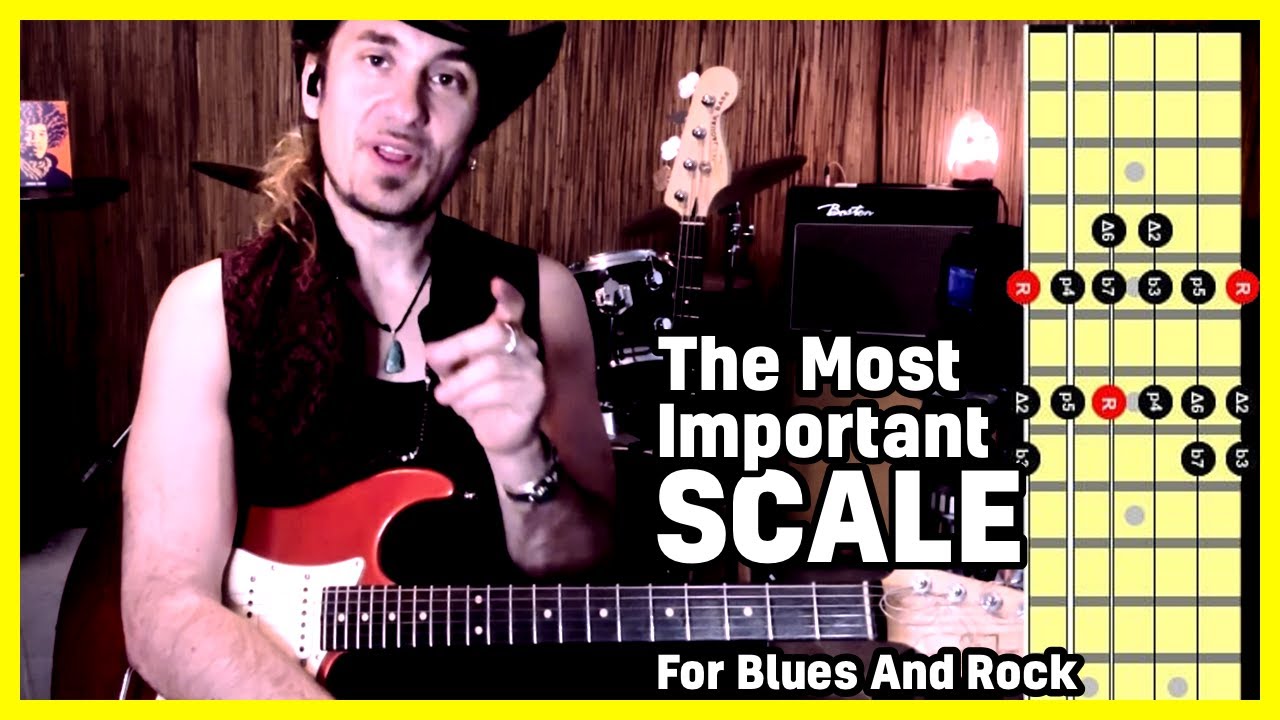
The True Power of the Dorian Scale For Guitar
The True Power of the Dorian Scale for Guitar
When it comes to unlocking the secrets of expressive, melodic guitar playing, there’s one scale that stands out among the rest: the Dorian scale. If you’re a blues-rock guitarist, or even just someone who loves adding that soulful, bluesy flair to your playing, this scale is a game-changer. It strikes the perfect balance between the brightness of the major scale and the moodiness of the minor scale, making it an essential tool for creating dynamic, emotional solos.
In this post, we’re diving deep into what makes the Dorian scale so special. Whether you’re an intermediate player or someone who’s been stuck in the minor pentatonic rut, you’ll learn how to use this scale to elevate your playing to a whole new level. Let’s get started!
What Is the Dorian Scale and Why Should You Care?
The Dorian scale is essentially a major scale, but it starts on the second degree. For example, if you’re in the key of C major, the Dorian scale would begin on D and follow the same notes. What makes it unique is its combination of minor tonality with a major sixth, giving it a versatile, bluesy quality.
So why should you care about the Dorian scale? Because it allows you to break free from the monotony of basic pentatonic scales while still sounding musical and grounded. It’s perfect for blues, rock, and even jazz contexts, where you want to convey emotion without sounding overly “happy” or “sad.” Guitar legends like David Gilmour frequently use the Dorian scale to create their signature melodic solos.
How to Add the Dorian Scale to Your Playing
If you’re comfortable with the minor pentatonic scale, you’re already halfway there. The Dorian scale builds on the minor pentatonic by adding two key notes:
- The 9th: This note adds a melodic, sophisticated touch to your playing. It’s a subtle addition, but it makes a big difference in how your solos sound.
- The Major 6th: This note is the real magic of the Dorian scale. It gives your playing a bluesy, funky edge that stands out, especially when playing over dominant 7th chords.
Here’s a simple way to incorporate the Dorian scale into your playing:
- Start by playing your usual minor pentatonic scale.
- Add the 9th to create a six-note scale. Practice this slowly over a backing track to get used to the sound.
- Finally, add the major 6th and experiment with how it fits over different chords, especially the IV chord in a blues progression.
For example, if you’re playing in the key of G, the major 6th (E) creates a beautiful tension over the C7 chord, which resolves naturally back to the G root. Try it out—you’ll be amazed at how much more dynamic your solos sound!
Practical Tips for Using the Dorian Scale
Now that you know the theory, let’s talk about how to use the Dorian scale effectively in your solos. Here are some actionable tips:
1. Don’t Overdo It
While it’s tempting to run up and down the scale, the key to making the Dorian scale work is restraint. Treat each note like a part of a story—don’t give away the ending too soon. Start with the minor pentatonic and introduce the 9th and major 6th sparingly for maximum impact.
2. Highlight the IV Chord
The Dorian scale really shines over the IV chord in a blues progression, especially when it’s a dominant 7th chord. Use the major 6th to outline the chord and add a bluesy, melodic flair to your lines.
3. Practice with a Backing Track
To truly internalize the sound of the Dorian scale, practice with a backing track. Focus on creating melodic phrases and experimenting with how the scale interacts with the chord changes. Need a great place to start? Check out the blues backing track linked in the video description to jam along!
The Dorian Scale: Your Key to Creative Freedom
At the end of the day, the Dorian scale is more than just a collection of notes—it’s a gateway to more expressive, creative playing. By adding just two notes to your minor pentatonic scale, you can unlock a world of new melodic possibilities. Whether you’re channeling your inner David Gilmour or just looking to break out of a playing rut, the Dorian scale is a tool every guitarist should master.
Ready to finally break through your plateau? Apply for a free strategy session and let’s map out your path to guitar freedom.