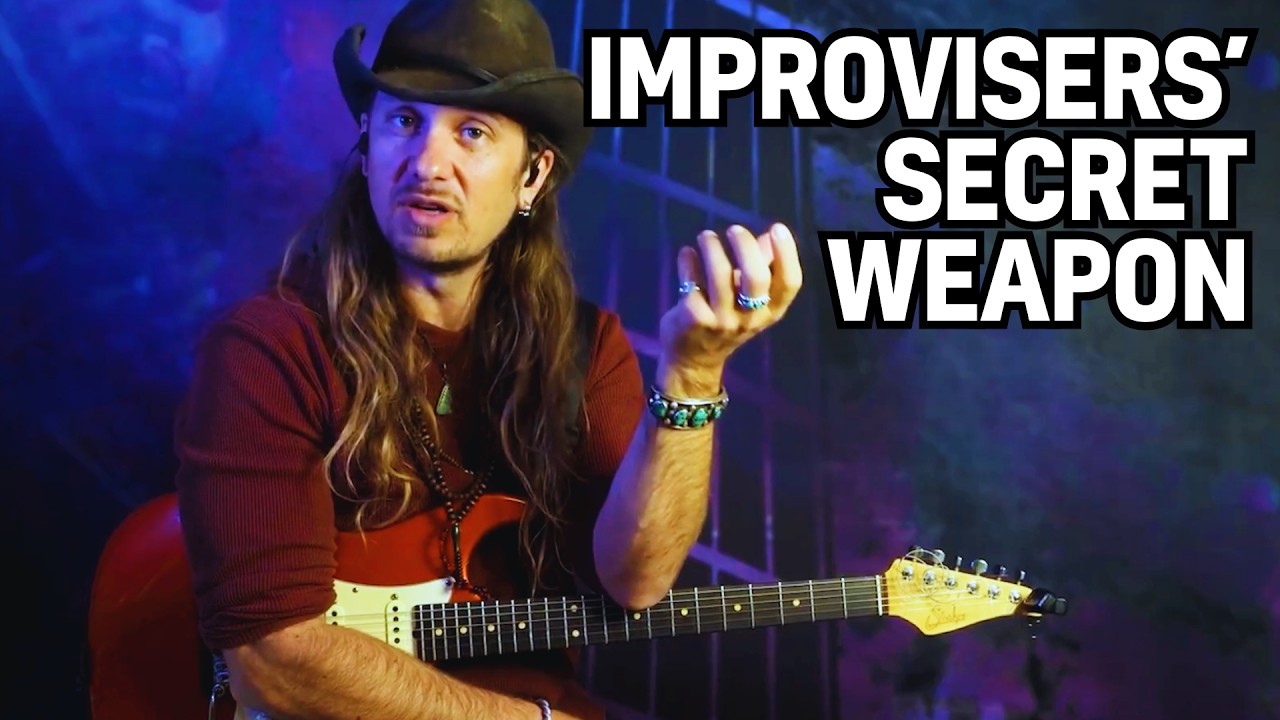
Your Guitar Playing Will SOAR With This One Technique
Your Guitar Playing Will SOAR With This One Technique
Are you tired of sounding like a beginner guitarist? There’s one simple yet powerful technique that can make your playing sound instantly more professional. This technique, often overlooked by most guitar teachers, is called articulation. In this blog post, I’ll break down what articulation is, why it’s essential for your expressive lead guitar playing, and how you can start applying it today to make your solos and riffs truly soar.
What Is Articulation in Guitar Playing?
Articulation in music refers to how you treat individual notes—whether they’re played long, short, or somewhere in between. Think of it as the musical equivalent of how you speak. Just like a skilled speaker uses pauses, emphasis, and tone to captivate an audience, a great guitarist uses articulation to create more dynamic and expressive playing.
Let’s start with two important terms:
- Legato: This means playing notes smoothly and connected, holding each note for its full value so that there are no gaps between them. It creates a flowing, seamless sound.
- Staccato: This means playing notes short and detached, with a noticeable space between each one. It adds punchy, rhythmic accents to your playing.
When you consciously control articulation, you can transform even a simple scale or phrase into something memorable and powerful. Let me give you an example. Imagine you’re playing a basic pentatonic scale. Without articulation, it might sound choppy or beginner-like. But by playing the notes legato, you can instantly elevate the sound and make it more professional.
Mastering Short Notes for Phrasing Impact
One of the most overlooked aspects of articulation is the power of ending phrases with short, staccato notes. Many intermediate players tend to play all their notes long or half-long, which can make their solos sound monotonous. By finishing a phrase with a short note, you can create a sense of resolution and add a horn-like character to your playing.
For example, imagine playing a blues solo. If you end a phrase with a short staccato note followed by a pause, it adds a breath of fresh air to your improvisation, making it more engaging and musical. This technique works especially well when you’re about to leave a longer pause after the phrase—it’s like adding a punctuation mark to your musical sentence.
Here’s a quick exercise to try: Over a backing track, play a simple lick, but make sure the last note of your phrase is staccato. Experiment with different lengths of pauses after that short note. You’ll notice how much more dynamic and expressive your playing becomes!
Add Depth with Muted Notes
Muted notes are another form of articulation that can bring a whole new layer of expression to your playing. On the electric guitar, muting involves using your palm to lightly dampen the strings, creating a percussive, rhythmic sound. While this technique is often associated with metal, it’s incredibly versatile and can be used in blues, rock, and other genres to add texture and groove.
Here’s why muted notes are so effective:
- They clean up your sound, especially in busy arrangements.
- They add a percussive, rhythmic quality to your lines.
- They make your lead playing more dynamic by allowing you to mix muted and unmuted notes.
To practice, start by playing a simple phrase entirely muted. Focus on getting a consistent, clean muted sound. Once you’re comfortable, start mixing muted and unmuted notes within the same phrase. This contrast will make your solos much more interesting to listen to.
Muted notes are an essential tool in your articulation toolkit, and mastering them will give your playing a polished, professional edge.
Take Your Articulation to the Next Level
Articulation is one of the most powerful tools you can use to transform your guitar playing. By mastering legato, staccato, and muted notes, you’ll open up a world of expressive possibilities for your solos and riffs. But remember, this is just the beginning. There are even more articulation techniques to explore, and the deeper you dive, the more unique and expressive your playing will become.
If you’re ready to break through your plateau and develop the skills of a confident, expressive lead guitarist, I invite you to take the next step.
Ready to finally break through your plateau? Apply for a free strategy session and let's map out your path to guitar freedom.